
The national finals of the 14th China Collegiate Polymer Materials Innovation and Entrepreneurship Competition (PMC), titled the “Sailun Liquid Gold Cup,” recently concluded. With an outstanding innovative project, the “Xuemai Caitong” team from Shanghai University of Engineering Science (SUES) stood out among teams from across China to win a Grand Prize, demonstrating the students’ creativity and teamwork in polymer materials.
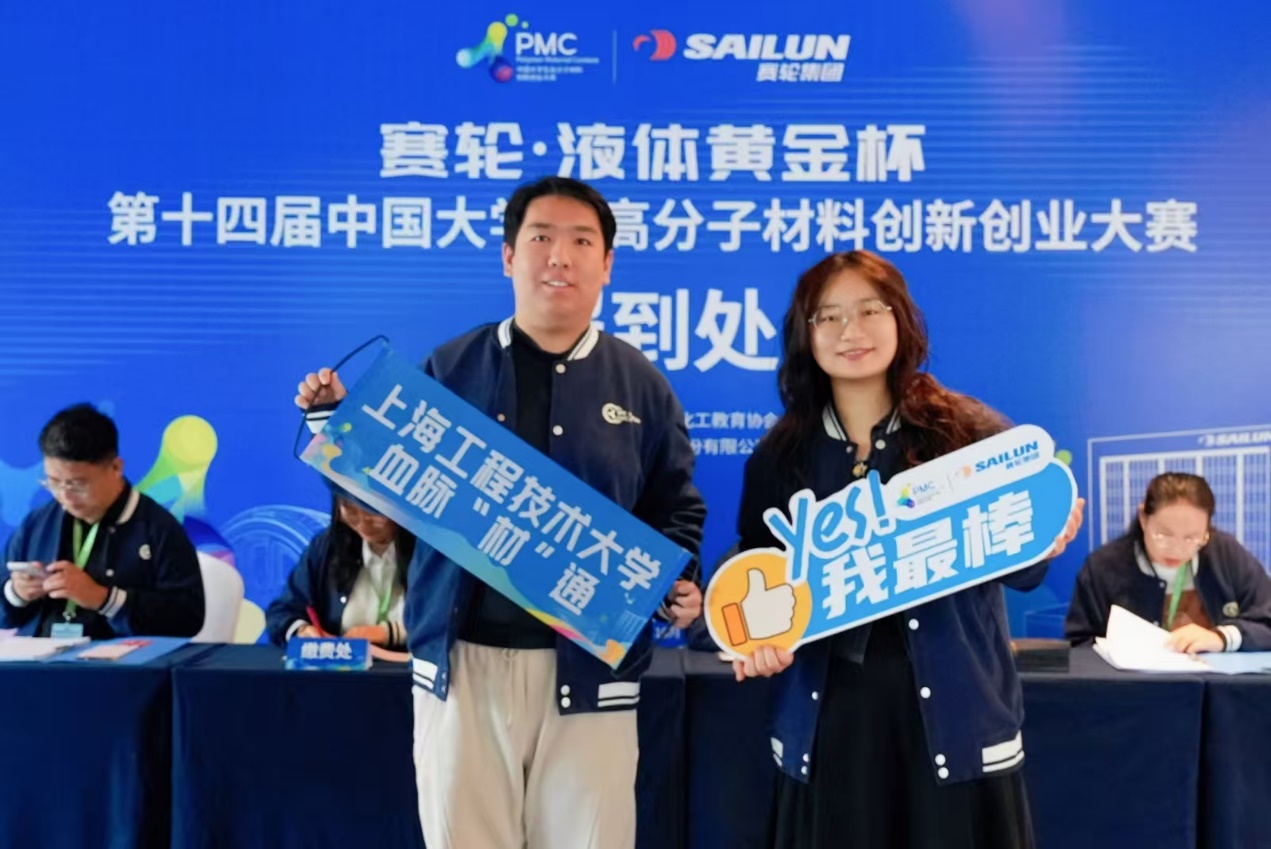
The winning team brought together graduate and undergraduate students, with clearly defined roles and complementary strengths. Focusing on a frontier issue in polymer materials, their project earned unanimous recognition from the judges during the final presentation and defense for its clear innovative approach, solid experimental foundation and strong application potential. The competition’s judging panel comprised experts from universities, research institutes, venture capital firms and leading industry enterprises, bringing diverse expertise and rigorous standards. The team’s success reflects the University’s achievements in integrating undergraduate and graduate education with innovation and entrepreneurship education.
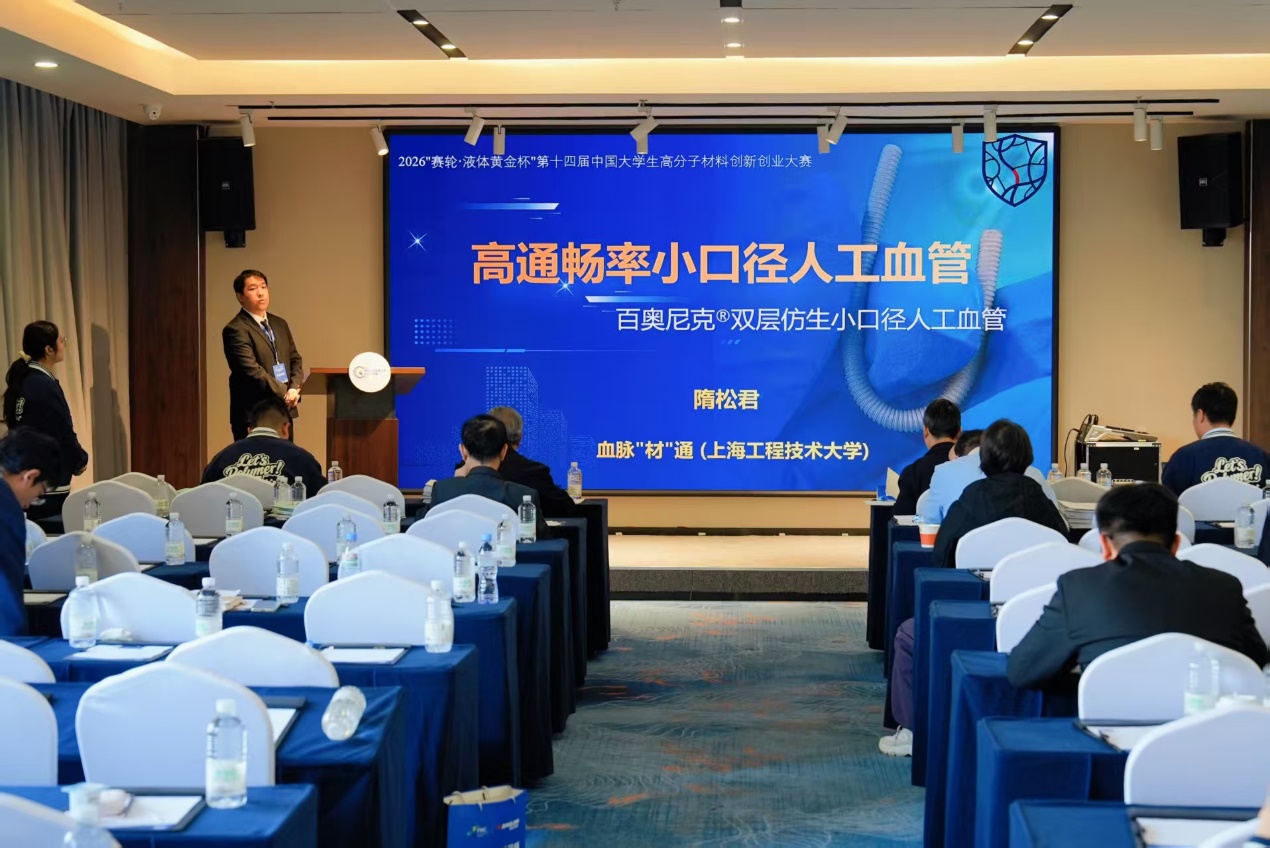
Since its launch in 2013, the China Collegiate Polymer Materials Innovation and Entrepreneurship Competition (PMC) has been held for 14 consecutive editions, attracting nearly 7,000 teams and more than 100,000 students and faculty members from over 500 universities in China and abroad. It is a prominent university innovation and entrepreneurship competition in polymer materials, known for its broad reach, strong disciplinary focus and considerable influence. Under the theme “Uniting Dreams through Innovation and Entrepreneurship, Embracing Responsibility to Build the Future,” this year’s competition attracted 486 teams from 140 universities across 29 provincial-level regions in China. Following closed-door blind reviews in three competition regions, 63 teams from 41 universities advanced to the finals. A total of three Grand Prizes, 12 First Prizes and 47 Second Prizes were awarded. The competition offered two tracks: “Self-Selected Projects” and “Industry Challenge Projects.” The latter addressed technical problems drawn from companies’ real business operations, underscoring the competition’s commitment to integrating industry and education and developing talent through competition.
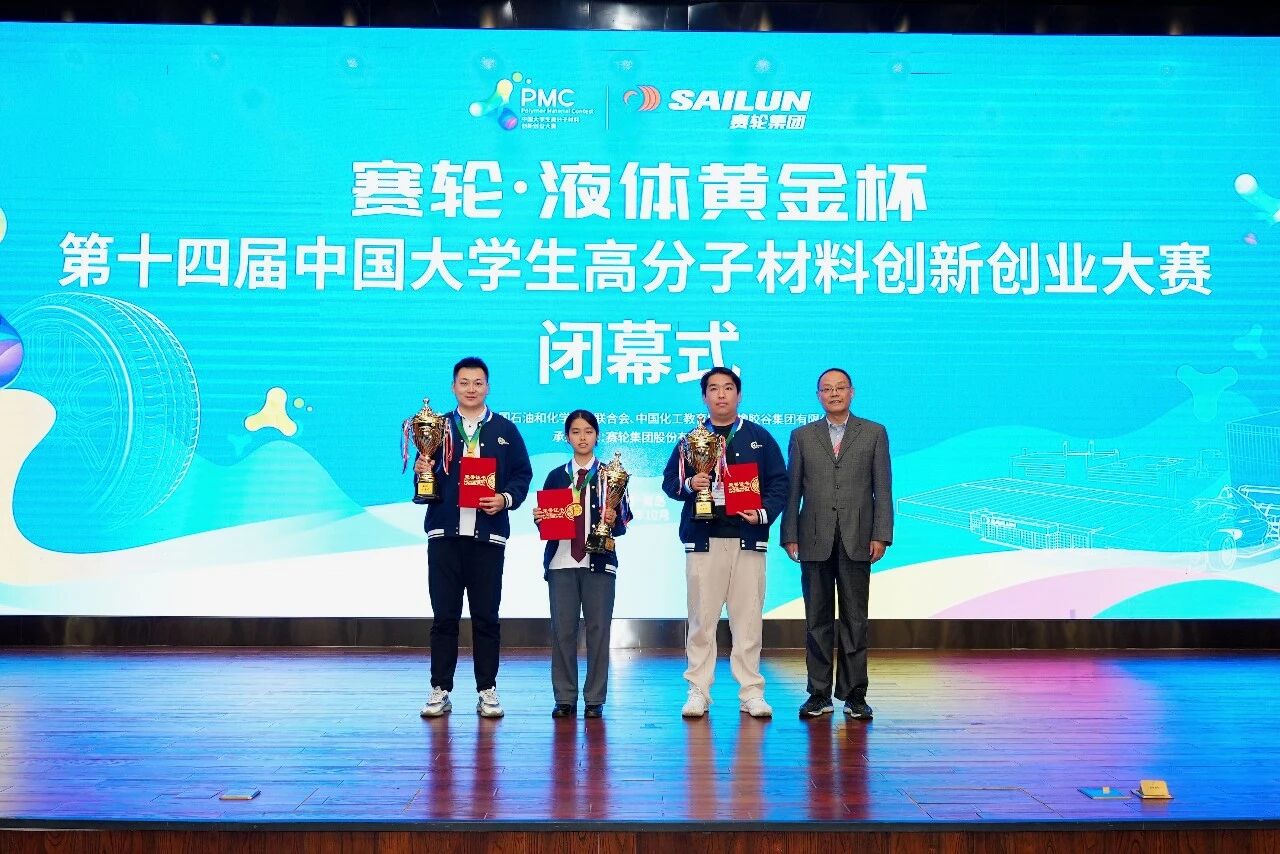
The Grand Prize provides further evidence of the University’s continuing efforts to reform innovation and entrepreneurship education, strengthen coordinated undergraduate and graduate training, and develop students’ practical skills. The University will continue to use high-level academic competitions to promote learning and innovation, encouraging more young students to build their capabilities and develop their talents by tackling real problems that address industry needs.