
On 6 November, the eighth Graduate Academic Forum on “New Chemistry and New Materials,” organized by the School of Chemistry and Chemical Engineering at Shanghai University of Engineering Science (SUES), was held in the library auditorium. Distinguished experts and scholars from universities, research institutes and industry—including Shanghai Jiao Tong University, Donghua University, East China University of Science and Technology, Southeast University, the Shanghai Institute of Space Power-Sources, and Shanghai Sinyang Semiconductor Materials Co., Ltd.—joined graduate students from SUES and other institutions for a stimulating exchange on the frontiers of chemistry and materials science.
At the opening ceremony, Vice President Wang Yansong congratulated the organizers on the forum and welcomed the visiting experts and scholars from academia, research institutes and industry. He encouraged graduate students to make the most of this opportunity to exchange ideas, broaden their academic horizons and strengthen their capacity for innovation. In his remarks, Li Ya, Dean of the School of Chemistry and Chemical Engineering, explained that the forum was established to support graduate education and promote academic exchange. He expressed the hope that it would serve as a platform for regular dialogue and collaboration between universities and between academia and industry.
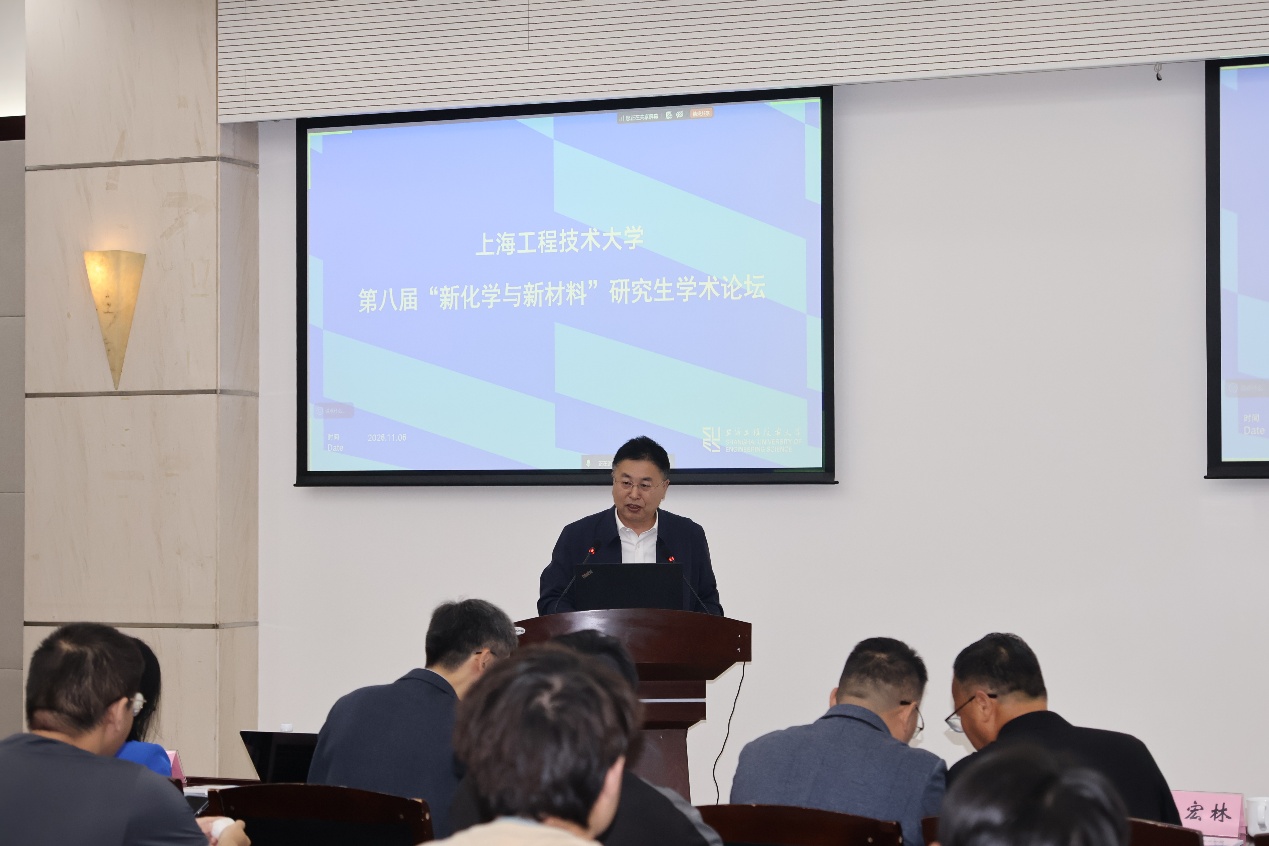
The morning session of invited talks was chaired by Li Ya and Rui Yichuan. Six experts delivered presentations: Professor Wang Honglin of Shanghai Jiao Tong University / Shanghai General Hospital discussed innovative targets for skin inflammation and aging and their translational applications; Professor Luo Wei of Donghua University introduced the structural design and fabrication of mesoporous powders with high sintering activity; Professor Yang Shuang of East China University of Science and Technology presented research on the structural chemistry of hybrid semiconductors and their applications in photoelectric conversion; Professor Chu Lingling of Donghua University reviewed advances in light-driven open-shell metal catalysis; Researcher Wu Yongmin of the Shanghai Institute of Space Power-Sources discussed measures to prevent interfacial failure in solid-state batteries, system integration and application validation; and Engineer Feng Qiangqiang of Shanghai Sinyang Semiconductor Materials Co., Ltd. outlined development trends in advanced process materials for integrated circuit manufacturing. Covering biomedicine, energy chemistry and integrated circuit materials, the invited talks closely aligned with the School’s current disciplinary strengths and development priorities.
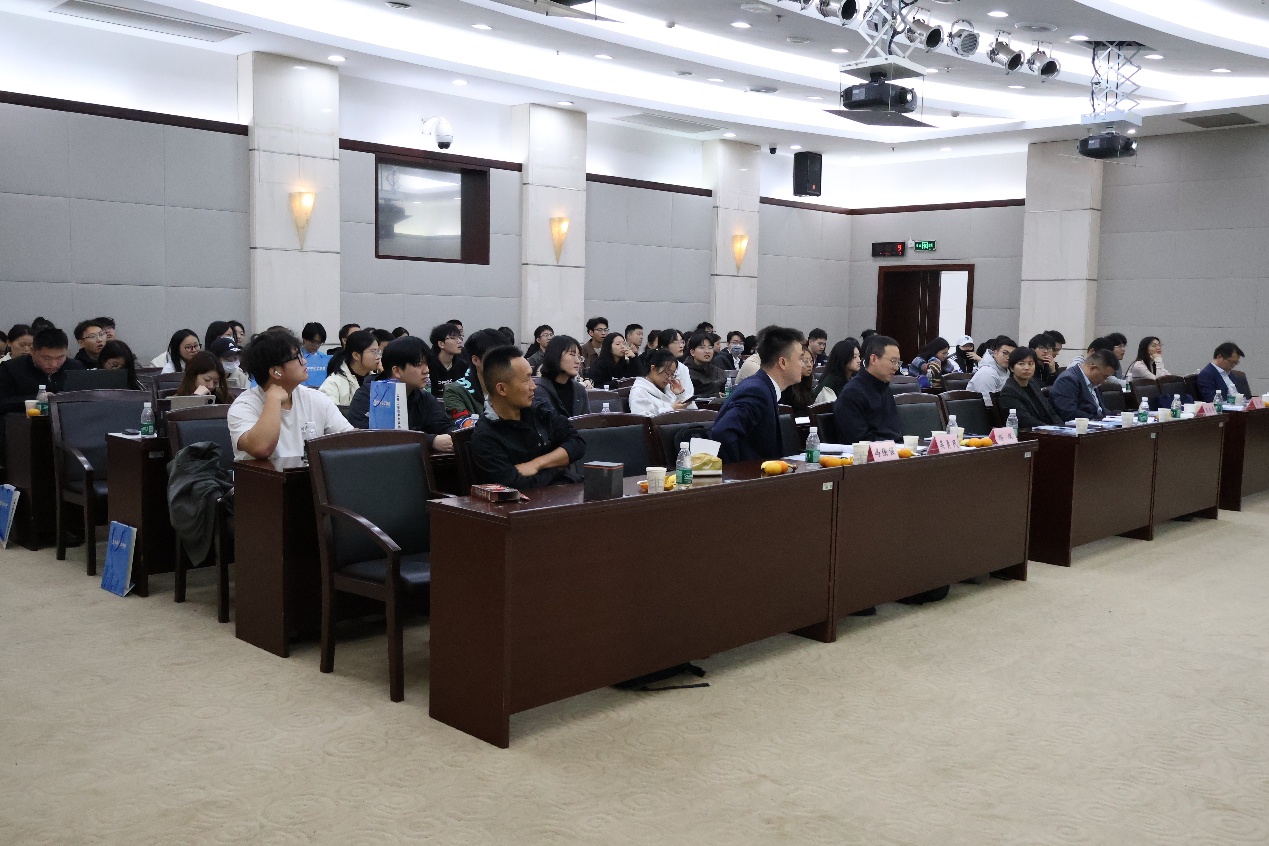
The afternoon graduate presentations were held in two parallel sessions. Session One, themed “Chemical Engineering and Materials for Energy and the Environment,” featured research on regulating solvation structures in high-performance thermocells, controlling perovskite thin-film crystallization through additives, using silicon carbide membranes to treat oily wastewater, and purifying water with ceramic membranes functionalized with single-atom catalysts. Faculty members Yang Jingxia and Sun Yangang chaired the session and provided feedback. Session Two, themed “Green Chemistry and Biomedicine,” featured research on fluorescent probes for detection and cellular imaging, desolvation pathways of pharmaceutical polymorphs, antibiotic degradation using photocatalytic membranes, and rapid, visual, high-throughput detection of bacteria and antibiotic resistance genes. Faculty members Huang Junhai and Qu Yi chaired the session and provided feedback. Both sessions featured lively discussions and productive exchanges.
Following the presentations, Outstanding Presentation Awards and Outstanding Poster Awards were selected and presented at an awards ceremony.
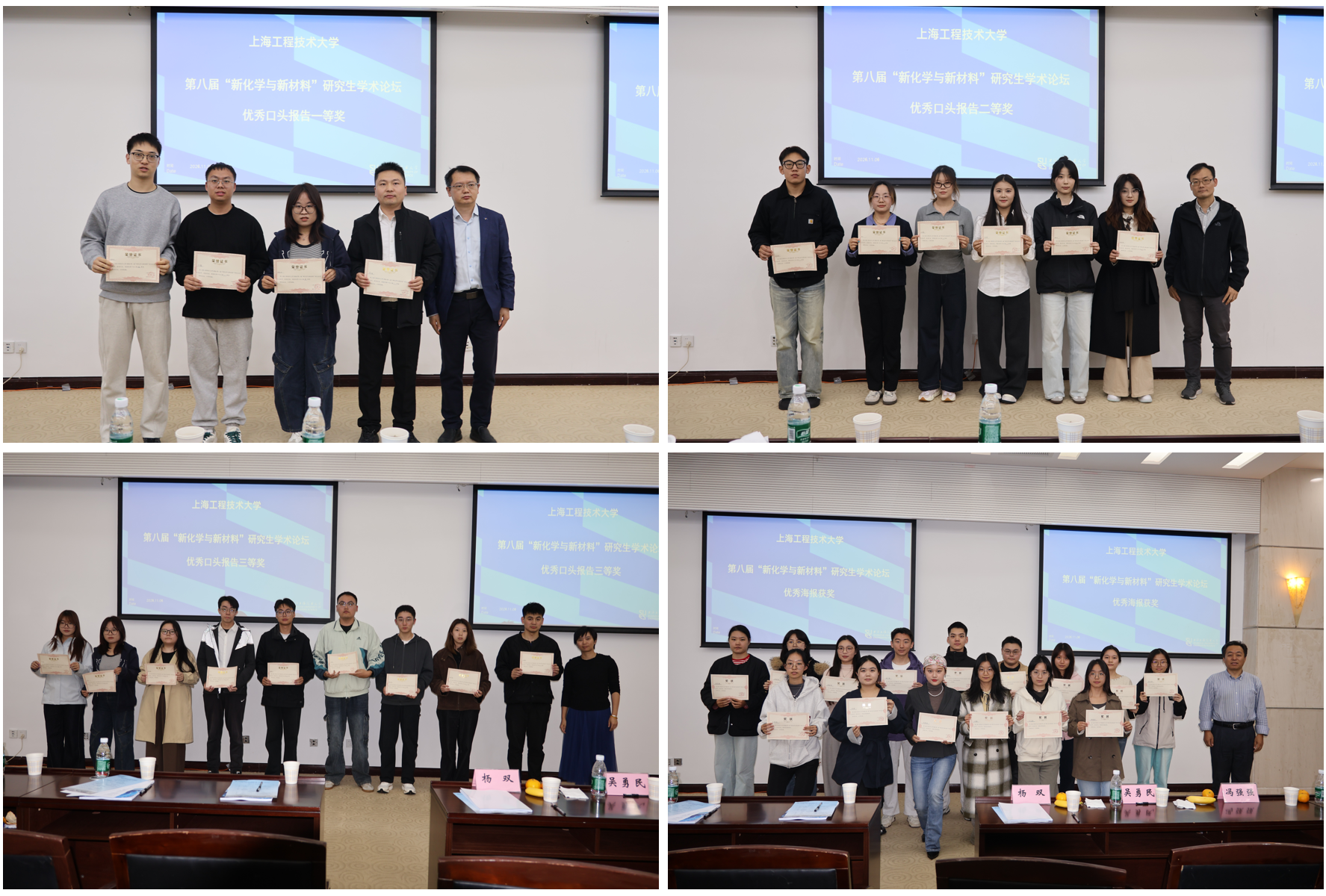
The forum showcased the participating graduate students’ solid research skills and creative thinking. Going forward, the School of Chemistry and Chemical Engineering will continue to promote regular academic exchange and strengthen collaboration in education between universities and between academia and industry. These efforts will help cultivate highly qualified professionals with practical and innovative capabilities and support industrial and regional development.